- by foxnews
- 04 Jun 2026
MIKE DAVIS: Supreme Court gives states a map to constitutional sanity
After the Supreme Court's Callais ruling ended DEI districts, Louisiana must now redraw its unconstitutional congressional map before primaries.
In the 1960s, there was a serious problem in that segregationist states racially redistricted to disenfranchise minority voters. In response, Congress passed the VRA, which it amended and extended in 1982 and 2007. Section 2 of the VRA requires that minority voters be given the opportunity to have the representation of their choice. For decades, in large part thanks to the Supreme Court's awful decision in Thornburg v. Gingles (1986), courts interpreted Section 2 to require majority-minority districts no matter what and to require proportional minority representation. So, for instance, if Louisiana has approximately a 30% African American population, then it must have two majority-minority districts out of six (a third) rather than none or one. Under this erroneous interpretation of the VRA, legislators must use race to carve out these districts, even in states where one party has an overwhelming advantage; for instance, the South is overwhelmingly Republican but has many solidly blue districts.
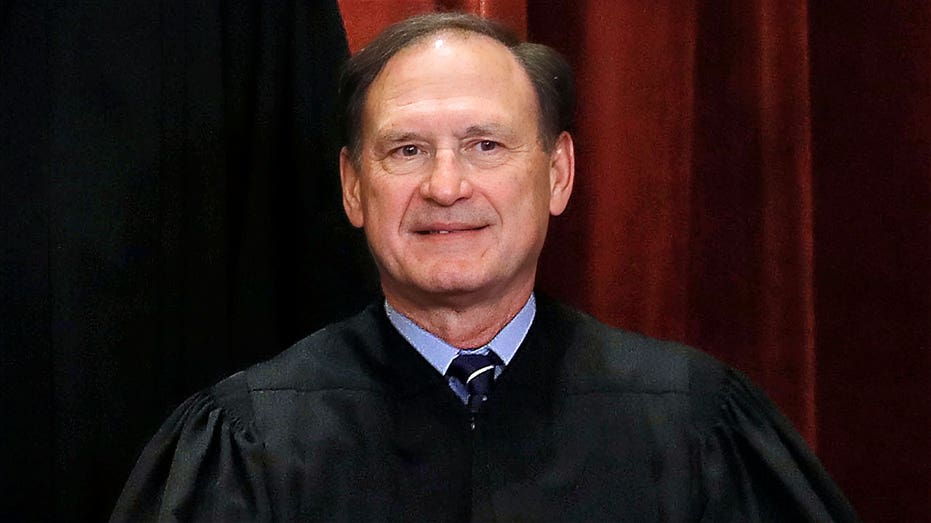
Callais righted an egregious wrong. Writing for the court, Justice Samuel Alito held that the VRA requires racial remedies only to combat intentional racial discrimination. In other words, if states revert to the behavior of the 1960s, the VRA allows for the drawing of districts to ensure minority representation. The VRA does not, however, allow for such drawing simply because states, for example, engage in partisan gerrymandering, a constitutional practice that the Supreme Court upheld in Rucho v. Common Cause (2019). Justice Clarence Thomas, joined by Justice Neil Gorsuch, would have gone even further, effectively putting an end entirely to Section 2 of the VRA.
you may also like
- by foxnews
- 04 Jun 2026
Republicans defy Johnson to advance Democrat-backed Ukraine aid

travel
- by foxnews
- descember 09, 2016
Treasure hunters find biggest Viking coin hoard in country's history: 'Without parallel'
Norway's largest Viking coin hoard features 2,970 silver coins minted in England and Germany, reflecting foreign influence on the late Viking economy.
read more