- by foxnews
- 01 Jun 2026
FAA unveils new air traffic controller hiring plan after chief warned system was 'chronically understaffed'
The FAA unveiled a workforce overhaul to tackle chronic air traffic controller shortages, excessive overtime and aging technology across U.S. airspace.
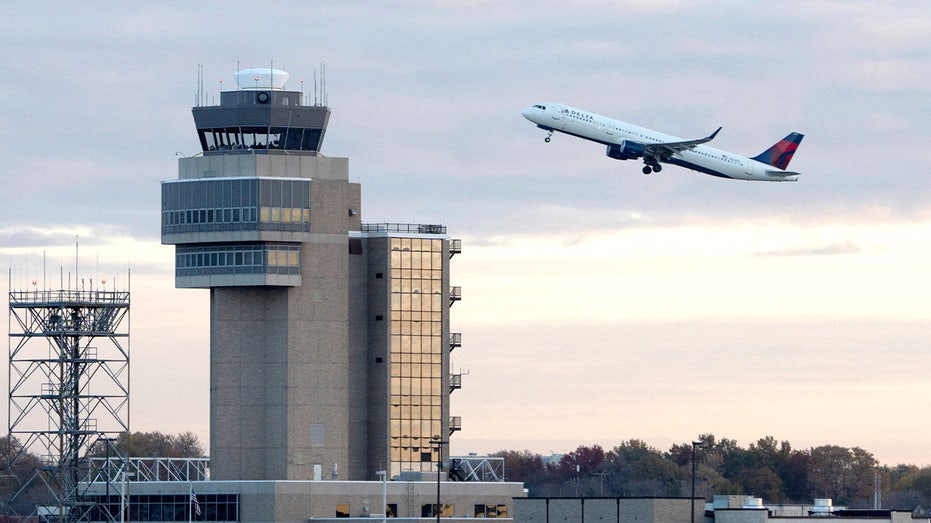
The Federal Aviation Administration (FAA) unveiled an aggressive new workforce overhaul on Friday aimed at tackling chronic staffing shortages, excessive overtime and aging technology across the nation's air traffic control system.
The plan comes months after FAA Administrator Bryan Bedford warned lawmakers that air traffic control towers would "never" reach full staffing levels if the agency continued operating under its current structure.
The overhaul also comes amid heightened scrutiny of aviation safety following a series of airport disruptions, delays and close-call incidents that have raised fresh questions about whether the nation's air traffic control infrastructure is keeping pace with growing travel demand.
"This forward-thinking plan delivers on President Donald J. Trump's promise to provide the American flying public with a world-class air traffic control system, and that starts with highly trained, professional air traffic controllers," Bedford said in a statement.
The FAA said the plan identifies a full staffing target of 12,563 certified professional controllers based on forecast demand. As of April 2026, the agency said roughly 11,000 certified professional controllers were deployed across more than 300 air traffic facilities.
The agency also has an additional 4,000 controllers in the training pipeline, including about 1,000 who were previously fully certified but are now training at new facilities, according to the plan.
Rebuilding the workforce will take time. The FAA said it can take more than two years to fully certify a new-hire controller depending on the complexity of the facility where they are assigned.
The workforce plan also acknowledges the strain excessive overtime has placed on controllers.
"Use of a limited amount of overtime is a reasonable means of addressing unexpected variances of work demands," the plan states. "However, the levels reached in FY 2023 - FY 2025 far exceed any reasonable use of mandatory overtime."
"Chronic use of overtime leads to fatigue, controller burnout and ultimately loss of retention," the report says.
The plan also notes that workforce scheduling and controller timekeeping are still handled manually by local facility managers.
"It is difficult to understand why no automation tools have been deployed to schedule our workforce or track time, attendance and functional work accomplished," the report states.
The FAA said improving average controller time on position from about four hours to more than five hours per eight-hour shift could increase effective workforce availability enough to meet current staffing targets.
"When you're still using floppy disks, that makes everybody less safe, that makes the agency less effective," Rep. Brad Knott, R-N.C., said during the hearing.
The new workforce plan says the FAA will replace "decades-old, unreliable, analog infrastructure" with a "fully digital network system," arguing that modern tools will improve reliability, reduce outages and give controllers a more stable working environment.
Still, the FAA said total workforce losses in fiscal year 2025 - including retirements, resignations, promotions, removals, training failures and academy attrition - totaled 1,460.
Nearly 400 retirement-eligible controllers were retained through a new bonus structure, according to the agency.
The Transportation Research Board of the National Academies previously found that about 30% of FAA facilities were staffed more than 10% below staffing targets, while another 30% were staffed 10% or more above targets.
Even with thousands of hires planned, FAA officials acknowledged the air traffic controller shortage will not be solved quickly.
Between years-long training, retirements, staffing imbalances and modernization challenges, the agency's own projections make clear the pressure on America's air traffic control system is expected to continue even as air travel demand continues rising.
Fox News Digital's Ashley Carnahan contributed to this reporting.
you may also like


- by foxnews
- 01 Jun 2026
Maryland Lt Gov rejects Trump's corruption claims over mail-in voting error: 'It happens'

- by foxnews
- 01 Jun 2026
Donna Brazile brushes off Biden's stroke fears, says Democrats must 'focus on the future'




travel
- by foxnews
- descember 09, 2016
Treasure hunters find biggest Viking coin hoard in country's history: 'Without parallel'
Norway's largest Viking coin hoard features 2,970 silver coins minted in England and Germany, reflecting foreign influence on the late Viking economy.
read more