- by foxnews
- 31 Aug 2026
Raising Naples: how the catacombs of saints transformed Sanit?
Raising Naples: how the catacombs of saints transformed Sanità
- by theguardian
- 11 Nov 2021
- in travel
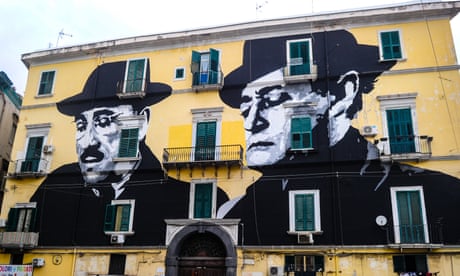
Not these days, though. Sanità has undergone a quite miraculous transformation thanks to La Paranza, a cooperative of idealistic young friends who began running guided tours to Italy’s finest catacombs in the early 2000s. At the time, the only access to the catacombs was granted by the Catholic church for academic study.
Today, after significant restoration funded by La Paranza, the catacombs, alongside Vesuvius, Pompeii and Herculaneum, are a must-see Neapolitan attraction, and tourism to Sanità has inspired new guesthouses, restaurants and employment. In its 15th year, the cooperative is launching a new above-ground walking tour this December called Luce (light), featuring specially commissioned contemporary art in neighbourhood churches.
Sanità lies north of Naples’ historic centre. The walk there takes me along via Santa Theresa degli Scalzi, a long, straight road running towards the 18th-century Bourbon palace of Capodimonte. En route, I cross a towering bridge built in 1806, which came to symbolise the neighbourhood’s decline, because its construction saw this once affluent suburb slowly bypassed by merchants and dignitaries who could travel more directly between historic Naples and Capodimonte.
San Gennaro’s catacomb is found near a sugar-white church, a 1960s replica of St Peter’s in Rome. It’s here that Cooperativa La Paranza began guided tours to Naples’ two most important catacombs, Gennaro and Gaudioso - the only way to see either. Enzo Porzio, 36, one of La Paranza’s founders, tells me that by 2019 the catacomb tours were attracting 160,000 visitors a year.
Guided tours to the catacombs last an hour. I’m led underground into San Gennaro’s by Antonio Iaccarino, who now trains youngsters joining the project.
Gennaro is Naples’ patron saint. Beheaded for his Christian beliefs in AD305, his remains were brought to Naples in the fifth century and his catacomb became a pilgrimage site. His bones were stolen and taken to Benevento 400 years later, before being returned to Naples in 1491. His sainthood was reaffirmed in 1631 when the parading of his relics were said to have halted an eruption of Vesuvius that threatened Naples.
Carved from Naples’ soft volcanic tuff, this catacomb dates to the second century and expanded once Gennaro was interred here. Entering the upper level, I feel lilliputian strolling through a forest of toadstools - the rounded stems of tuff supporting the ceiling of the Basilica Adjecto, where pilgrims once shuffled past empty tombs cut into the walls and arcosolia with sumptuous murals for the wealthy elite. All bones were removed in the 1960s to a nearby ossuary.
The catacomb’s exit purposefully directs visitors towards downtown Sanità, where I’m immediately struck by its authentic intensity. Little shops and tenements fill every space. The lights twinkle on votive shrines. Conversations are suspended mid-air, shouted between balconies of buildings adorned with murals, graffiti, and often piles of rubbish. Sanità’s centrepiece is a colossal Dominican basilica, Maria della Sanità, built in 1610, which physically fuses with the brick uprights of the overhead bridge. The basilica’s side chapel hosts La Paranza’s first ever accommodation, Casa del Monacone (doubles from €50 B&B). The six rooms are so popular I couldn’t get a bed.
Elsewhere, the local youth orchestra, Sanità Ensemble, practises in San Severo, and I meet budding actor, 24-year-old Ciro Burzo, at Teatro Sanità - another church gifted by Father Loffredo. Rehearsals are under way for La Rosa del mio Giardino, a play about Dalí’s love letters.
Another Neapolitan church, Purgatorio ad Arco, maintains shelves of skulls in its crypt. But I end my stay at Naples Cathedral, visiting the reliquary of Gennaro, a baroque chapel housing a bone fragment of his. Two sealed ampoules of his blood are kept beneath the duomo’s altar and produced three times yearly to be declared miraculous when they liquefy from their solid state. Yet San Gennaro’s true miracle is how his presence in death has helped foster the resurrection of Sanità.Guided tours cost €9 for a combined ticket to the catacombs of Saints Gennaro and Gaudioso, catacombedinapoli.com
you may also like
- by foxnews
- 31 Aug 2026
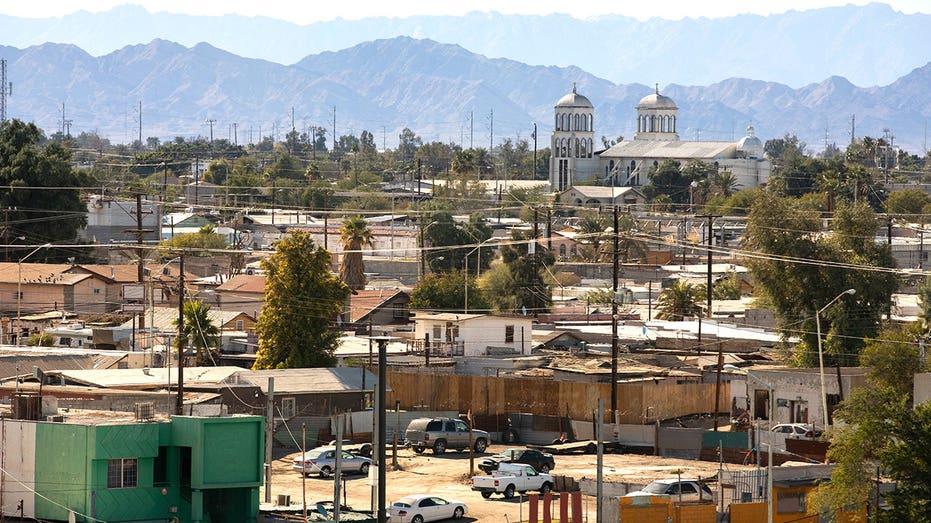
Potential security threat prompts US travel suspension for border city on alert
- by foxnews
- 31 Aug 2026
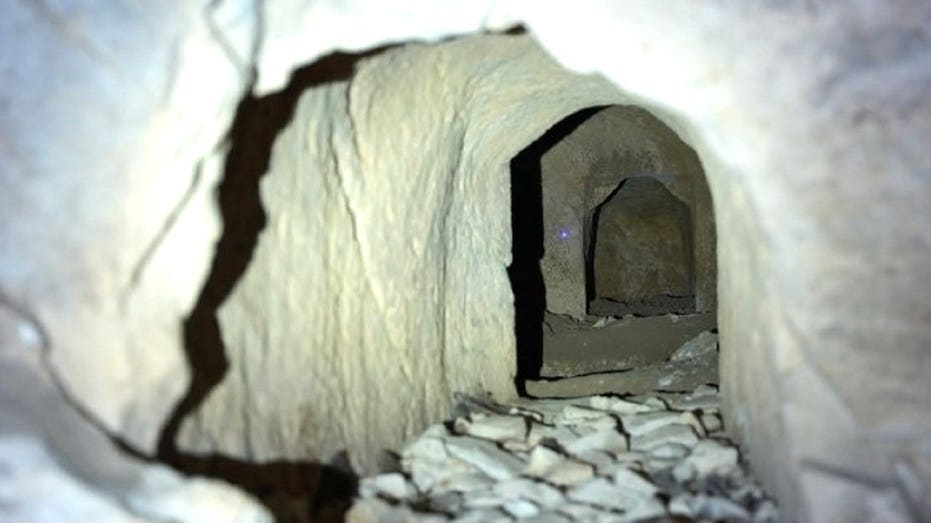
Police operation takes unexpected turn when officers stumble upon ancient burial cave


travel
- by foxnews
- descember 09, 2016
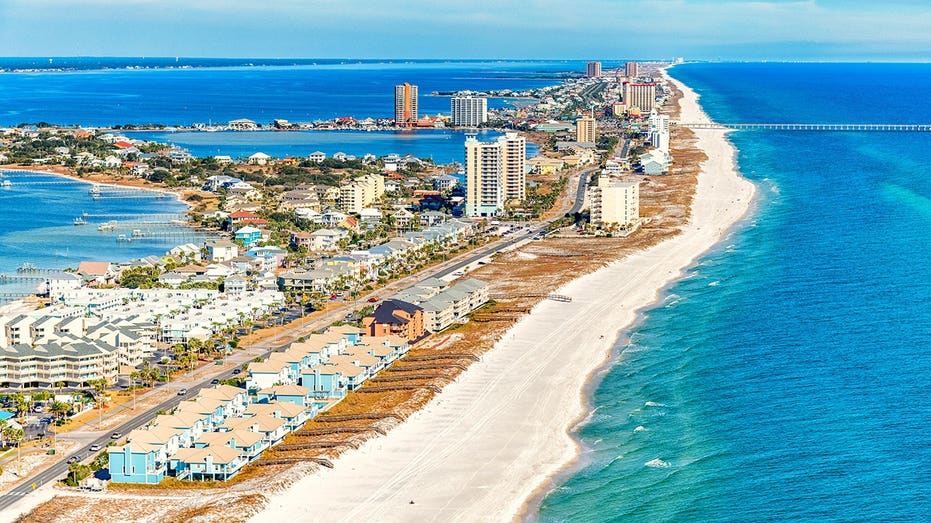
Popular beach town rejects noise, trash and traffic as it weighs stricter vacation rental rules
Pensacola Beach residents say large vacation rentals sleeping 30-40 guests drive noise, parking and trash problems as officials weigh a strict new registry.
read more