- by foxnews
- 05 Aug 2026
Rare pagan masterpiece emerges near where St Paul spread teachings of Christianity
Depicting the river god Eurymedon, a rare mosaic was found on Theater Street in Aspendos, just miles from where the Apostle Paul spread Christianity.
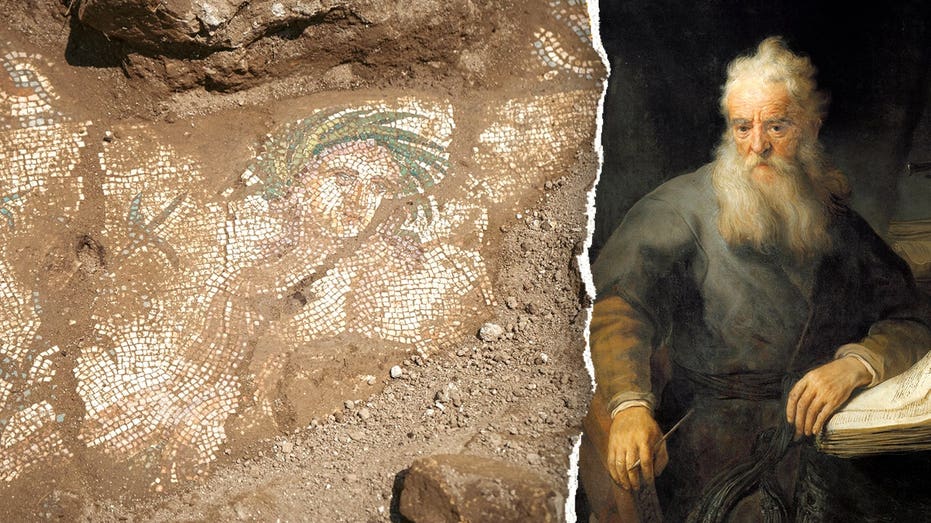
It was discovered on Theater Street in Aspendos, which connects the city's acropolis - or citadel - with its theater.
Pictures of the mosaic show a depiction of the youthful river god Eurymedon, framed by geometric patterns and aquatic imagery.
Officials said the god is "depicted holding and wearing reed leaves."
"He leans against an amphora from which water flows, symbolizing nature's abundance and the life-giving power of water," the translated statement said.
Archaeologists believe the pagan mosaic once formed the floor of a pool built in the early 3rd century A.D.
The mosaic floor covers roughly 20 by 25 feet and "is believed to continue into areas that have not yet been excavated," officials said.
"Researchers believe the structure was subdivided into separate rooms following the 262 A.D. earthquake."
Depictions of the river god Eurymedon are exceptionally unusual in ancient mosaics, according to Turkish officials.
The god is "represented by only a limited number of known examples," said the statement.
"It is also especially significant because depictions of river gods are extremely rare in mosaic art," Ersoy said in the release.
"This discovery not only reveals the artistic richness of Aspendos, but also provides important scientific data on Roman-period Anatolian mosaic art."
The discovery is one of many archaeological finds in Turkey, which has become a hotbed for discoveries tied to the ancient Roman and early Christian worlds.
you may also like
- by foxnews
- 05 Aug 2026
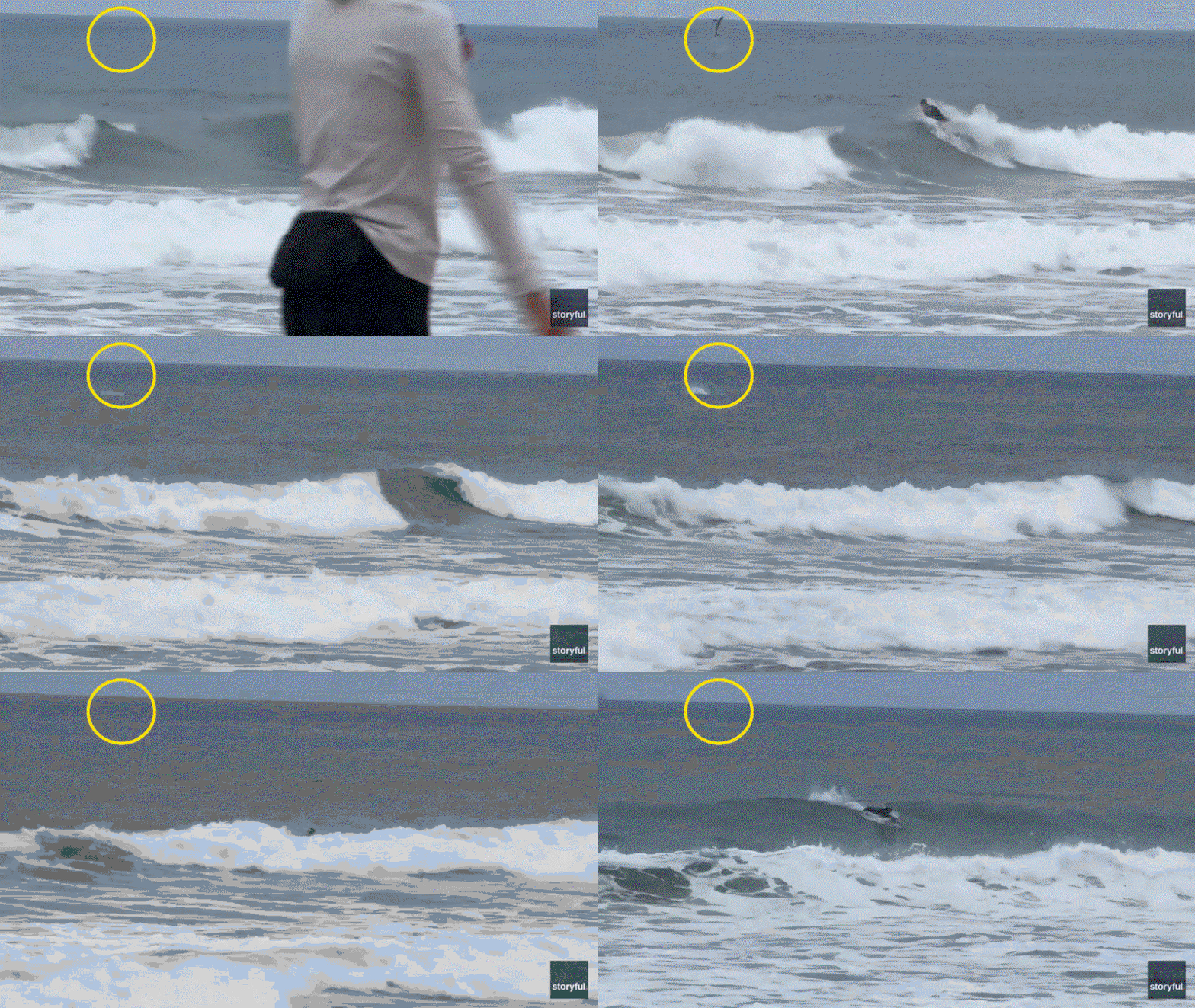
Shark Week shocker as great white breaches just yards from oblivious boogie boarder

- by foxnews
- 05 Aug 2026
Lost sermons from one of Christianity's greatest saints discovered after 1,600 years



travel
- by foxnews
- descember 09, 2016
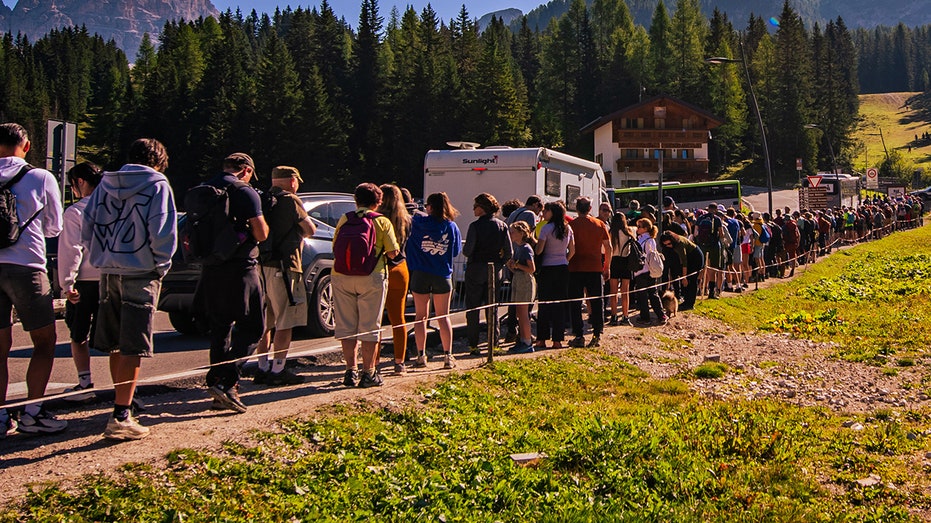
Thousands swarm stunning mountain escape as selfie tourism backlash erupts online
Photos are showing massive shuttle lines at Tre Cime di Lavaredo in Italy as selfie tourism overwhelms one of the Dolomites' most iconic destinations for travelers.
read more