- by foxnews
- 24 Sep 2026
Tourists return to Las Vegas despite soaring prices that drove visitors away
Las Vegas topped Priceline's search list for September 2026 as visitor numbers inch upward, but rising costs and a 30% drop in Canadian travelers loom large.
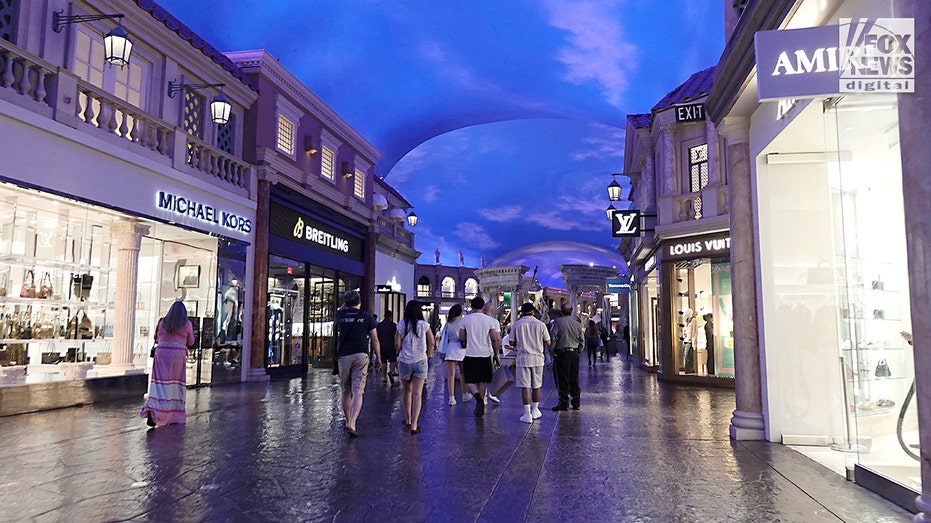
The city also welcomed 2.7% more visitors in July compared with the same month last year, according to the Las Vegas Convention and Visitors Authority (LVCVA).
That marks a partial recovery after visitation fell 12% in July 2025.
Vegas' signs of life come amid frustration from tourists over the rising cost of visiting the city.
A $26 minibar bottle of water at Aria, for example, sparked social media outrage in 2025 after a guest's complaint was published by travel blog "View from the Wing" and picked up by The Las Vegas Review-Journal.
It became a symbol of complaints that visitors were being nickel-and-dimed in Vegas.
The city has yet to fully recover to its pre-pandemic tourism levels.
In 2025, Las Vegas welcomed 38.5 million visitors, down 7.5% from 2024, according to the LVCVA. Visitor spending fell to $50.8 billion that year, down from $55.1 billion in 2024, according to a report presented to the LVCVA board.
LVCVA President and CEO Steve Hill told the Nevada Economic Forum earlier this month that annual visitor volume remains about 10% below the 42.5 million visitors recorded in 2019.
One major factor is the decline in Canadian travelers, historically Las Vegas' largest international market.
Canadian visitation is down about 30% from 2019 levels, Hill said, while airfare to and from Las Vegas has climbed more than 20% in recent months, according to reports.
Las Vegas visitors are also getting wealthier, and fewer of them are in their 20s.
In 2025, 75% of visitors earned $100,000 or more, according to the LVCVA, and 44% earned $150,000 or more, News 3 Las Vegas reported.
Meanwhile, visitation among tourists ages 21 to 29 has fallen more than 10% since 2022, according to the LVCVA.
Live entertainment remains another major draw.
The Sphere grossed $379 million on 1.7 million tickets sold in 2025, making it the world's highest-grossing arena for the year, according to Pollstar data reported by The Wall Street Journal.
Jessica Mekles of Fox News Digital contributed reporting.
you may also like


- by foxnews
- 24 Sep 2026
Deadly helicopter crash kills 2 pilots battling raging wildfire in Yosemite
- by foxnews
- 24 Sep 2026
Violent brawl over lounge chairs at famous beach leaves one man dead, others facing charges

travel
- by foxnews
- descember 09, 2016
One of history's most famous sayings about Rome may be wrong, new study suggests
The Roman Empire's vast road network favored Constantinople as a key overland travel hub, a study says, yet experts argue Rome remained the true center of power.
read more