- by foxnews
- 02 Apr 2026
How The Cruise Industry Is Evolving With Sustainable Growth And Exclusive Destinations
As the cruise industry navigates into 2026, the changes will likely include the industry’s newbuilds, sustainability initiatives, and deployment trends impacting itineraries. For years, the cruise sector has customized and personalized travel experiences. Larger cruise vessels will offer new, exciting, and environmentally responsible travel experiences.
- by travelandtourworld
- 02 Jan 2026
- in travel
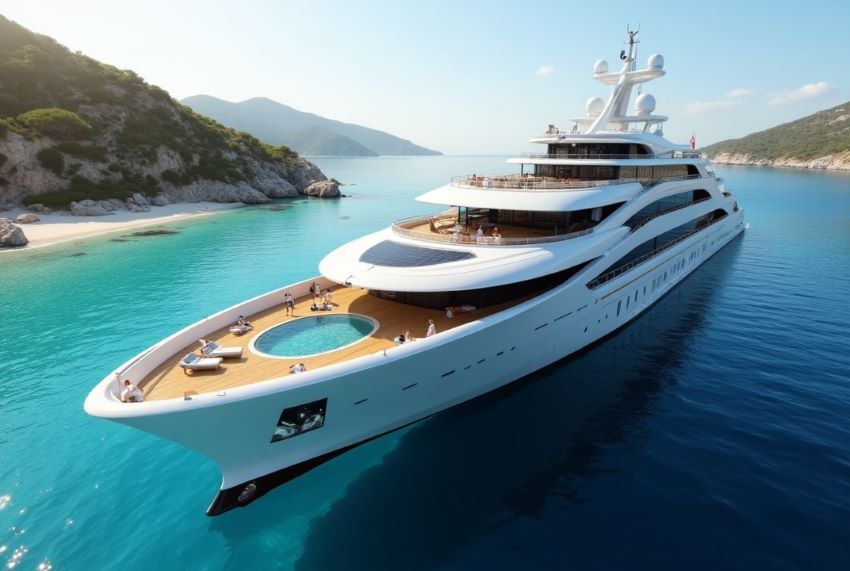
As the cruise industry navigates into 2026, the changes will likely include the industry’s newbuilds, sustainability initiatives, and deployment trends impacting itineraries. For years, the cruise sector has customized and personalized travel experiences. Larger cruise vessels will offer new, exciting, and environmentally responsible travel experiences.
Big Ships, Big Experiences
Continuing the cruise line industry trend, new cruise ships will soon be over 200,000 gross tons. In addition to enhanced facilities at sea, these record-breaking vessels will be able to accommodate significantly larger passenger loads. By adding vessels to their fleets, cruise lines will be able to offer an even grander experience at sea. Among the industry leaders, Norwegian Cruise Line, Disney Cruise Line, and Carnival Cruise Line will begin sailing their new ships in the next few years. In addition, Royal Caribbean and MSC Cruises will debut their new vessels, including Royal Caribbean’s Icon class and MSC’s World class ships.
The extensive new vessels will have special features and unique experiences, including the latest technology, more dining options, and outdoor entertainment spaces that immerse guests in the beauty of nature. As cruise companies transform luxury and novelty into a more valuable and affordable product, these new ships will be like floating cities with a unique, fully inclusive experience.
The Commitment to Greener Operations and Environmental Innovation Greener Operations and Environmental Innovation: As ships grow in size, so too does the commitment to greener operations. Environmental sustainability is a key focus for the cruise industry, and more sustainable ships will be released in the coming years. With the adoption of alternative fuels like LNG (Liquefied Natural Gas), it is predicted that about 65% of new ships entering operations will be powered by these cleaner fuels. This shift to greener fuels and the overall growing commitment to sustainability and environmental practices will be the industry’s focus for a few years to come.
In addition to plummeting water usage and single-use plastics, cruise lines are improving technology and services to allow for advanced treatment of wastewater as ships strive to do more to lessen their environmental footprint. Also, some ports are increasing the availability of shore power, allowing ships to turn off their engines while docked, further decreasing emissions and noise pollution.
New Deployment Trends: Expanding Cruise Options
The current deployment trends are changing as more cruise customers demand different types of experiences. For example, cruise lines are now selling off-season cruises to the Mediterranean, which is a region that has previously been summer-only. Costa, MSC, and Celebrity have been key players in the winter Mediterranean cruise market, and now premium and luxury lines such as Windstar Cruises, Oceania Cruises, Silversea, Azamara, and Regent Seven Seas are as well. These cruises allow customers to explore the cultural and geographic diversity of hotspots in Italy, Greece, and Spain without the busy summer crowds, offering a more relaxed and intimate vacation.
In addition, cruise operators are broadening the range of their homeports, with increased cruise activity in cities such as Philadelphia, San Diego, Jacksonville, Norfolk, and Mobile. This trend not only increases the convenience of cruise travel but also adds new areas of travel. This trend demonstrates the cruise industry’s effort to keep cruising in line with the accessibility needs and travel demands of contemporary consumers.
The Emergence of Exclusive and Private Destinations
In an effort to enhance the cruise experience, many cruise lines are starting to focus on increased access to private and exclusive destinations. For example, Royal Caribbean Group, the world’s second-largest cruise company, is expected to lead the way, with plans to develop and operate over eight exclusive destinations globally, including several in Europe, the Caribbean, South America, and the South Pacific. These destinations are expected to include private islands and other exclusive areas, allowing cruise guests to avoid the congestion and experience the luxury of these exclusive destinations.
Carnival Corporation has started promising investments in the destination portfolio, with the opening of Celebration Key and the planned upgrades to Mahogany Bay, soon to be renamed Isla Tropicale. With these fresh developments, cruise lines hope to foster one-of-a-kind experiences for their clientele while also creating employment opportunities for the communities around their private destination.
More Time in Port: A Shift Towards Immersive Experiences
As cruise lines continue to innovate, another trend that is gaining traction is the shift toward more time spent in port. An example of this in practice is Norwegian Cruise Line, which intends to offer itineraries for the 2027-28 winter season featuring 9.5 hours in each port of call, with plenty of late departures and even overnight stays. This trend is aimed at offering guests the greatest opportunities to explore and immerse themselves in the destinations they visit.
Longer port stays are a growing trend for cruise lines and allow guests to further immerse themselves in the unique character of a destination. Other cruise lines include Princess Cruises, Azamara, and Regent Seven Seas. These extended port stays allow cruise lines to enhance and elevate the travel experience for guests through private excursions, immersive late-night excursions, and more.
New cruise taxes and guest caps
As the cruise industry continues to grow, Greece, Norway, Iceland, and popular cruise regions such as France and Hawaii are implementing new taxes and guest caps to curb cruise passengers. These systems are in place to prevent overtourism in underdeveloped and overtouristed destinations. Additionally, these regions may implement a guest cap on a cruise ship on any given day.
Although these new taxes may increase the price of a cruise, they demonstrate a focus on the growing demand for sustainable tourism and the need to protect the finite resources that exist.
Retirement of Older Ships
As the cruise industry rebuilds after the pandemic, older ships are being retired in favor of more modern vessels. Over the last five years, Carnival Corporation has retired more than 20 ships, including some of its most iconic vessels like the Costa Fortuna. Norwegian Cruise Line Holdings, during its fleet modernizations, has also recently announced its first ship withdrawals in more than 15 years. Other cruise lines are also retiring older vessels, including National Geographic-Lindblad Expeditions, which has retired the National Geographic Sea Lion and Sea Bird.
These retirements show the industry’s prioritization of younger fleets. The technological advances of modern ships mean older vessels can be replaced. This is exciting for cruising as it will introduce new ships and more luxurious and sustainable cruising options.
Conclusion: Charting the Course Ahead in the World of Cruising
With 2026 on the horizon, the cruise industry is forecasting growth and rapid change. The phenomenon of building sustainable, large-scale modern vessels, along with the capacity to visit more remote destinations and stay longer, will forge the future of cruising for years to come. The industry's focus on innovation and sustainability will provide cruise passengers with extraordinary experiences, while offering the industry the opportunity to minimize its environmental impacts. If you are planning a cruise in the near future, you will be able to encounter the latest trends in the cruising industry. These trends will create immersive experiences and offer sustainable and luxurious options for exploring the world.
you may also like

- by foxnews
- 02 Apr 2026
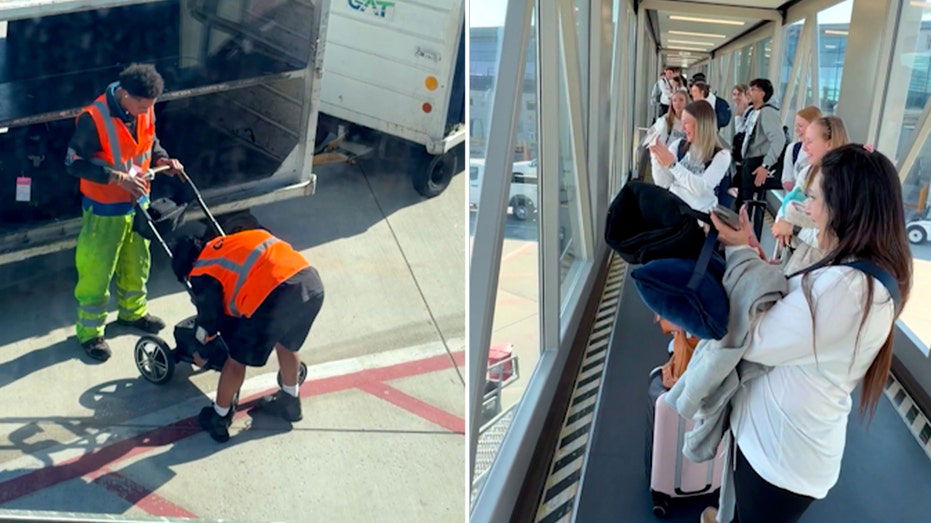
Stubborn stroller sparks chaotic airport showdown with baggage handlers in viral video
- by foxnews
- 01 Apr 2026
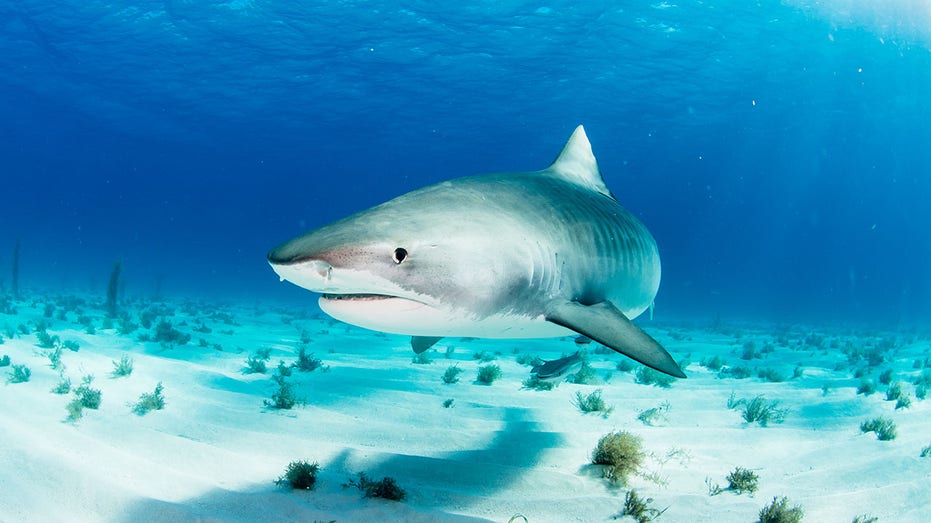
Sharks in Bahamas found to have cocaine and other drugs in their systems, study says



travel
- by foxnews
- descember 09, 2016
Birth tourism industry thrives in Miami as Supreme Court showdown gets underway
Birth tourism is a booming concierge industry as Trump's Executive Order 14160 on birthright citizenship faces a Supreme Court challenge in a major case.
read more